
World Mental Health Day 2026 – A personal reflection from Christine-Alice Hartigan
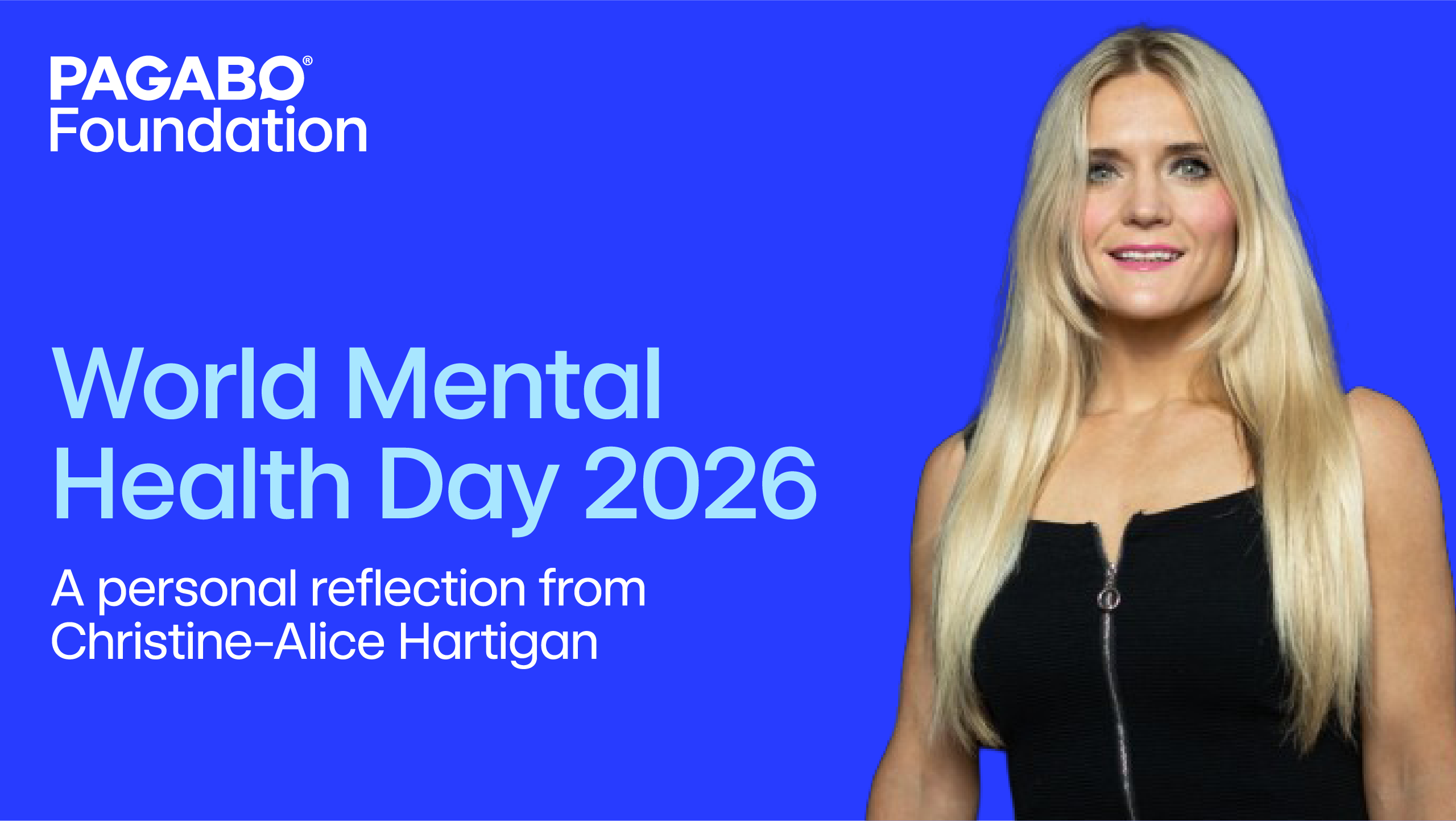
This year’s theme, “Lived Experiences Heard: Real Voices, Real Change”, is an important reminder of the value of listening to people’s experiences and creating environments where conversations about mental health feel safe and without judgement. Today, we spoke with one of our Board Trustees, Christine-Alice Hartigan, who shared her personal experience of how mental health has touched her life and career, and why awareness, understanding and open conversations matter.
Throughout my career, I’ve witnessed first-hand the impact that pressure, stress and difficult circumstances can have on people. Working in the construction and built environment sector can be incredibly rewarding, but it can also be demanding, with tight deadlines, commercial pressures, responsibility and the expectation to keep moving forward, even when things are difficult. I’ve experienced some of those pressures myself, which is one of the reasons I chose to learn more about recognising the signs, both in myself and in others. One of the ways I chose to do this was by undertaking Mental Health First Aid training, which gave me a greater understanding of mental health, the confidence to recognise when someone may be struggling, and the knowledge to listen, support and signpost them towards appropriate help.
Some of my key takeaways from the training were:
- Recognise the signs — understanding that changes in behaviour, mood or communication can indicate someone may be struggling.
- Start the conversation — sometimes the hardest but most important step is simply asking someone how they really are.
- Listen rather than fix — you’re not there to diagnose or solve someone’s problems. Giving someone space to talk without judgement can be incredibly valuable.
- Know your boundaries — a Mental Health First Aider isn’t a therapist or medical professional. Knowing when and how to signpost someone to appropriate professional support is a really important part of the role.
- Look after yourself too— supporting others can be emotionally demanding, so recognising your own limits and wellbeing matters.
- Mental health is everyone’s business— you don’t have to be an expert to make a difference.
Having that knowledge has given me greater awareness of the signs that someone may be struggling, and, importantly, the confidence to approach a conversation rather than simply assuming everything is okay.
Sometimes, being able to listen, understand and offer support can make a real difference. But we also need to recognise the limits of our role. We don’t always have the answers, and we don’t need to. Sometimes the most valuable thing we can do is listen without judgement, help someone feel heard, and signpost them towards the appropriate professional or specialist support.
For me, mental health awareness is about creating a culture where people feel able to speak openly, where asking for help is not seen as a weakness, and where we look out for one another.
Mental wellbeing isn’t about never struggling. It’s about recognising that difficult periods are something many of us may experience, knowing when to ask for help, and making sure people know they don’t have to navigate those experiences alone.
This World Mental Health Day, take a moment to check in with yourself — and with the people around you.
Sometimes, simply asking “Are you okay?”, genuinely listening and knowing where to signpost someone for further support can be more important than we realise.
Through the Pagabo Foundation, we’re committed to building better mental health together and supporting positive change across our communities and industry.
As a consultant, I recognise that I may not experience some of the pressures faced by those working directly on site or in other high-pressure roles across construction. That makes understanding the experiences of others and knowing how to support them even more important. CIOB’s 2025 research highlights the scale of the challenge, with 27% of those surveyed reporting suicidal thoughts in the previous year, alongside high levels of stress, anxiety and depression.
We don’t need to have all the answers. Sometimes, recognising the signs, listening without judgement and knowing how to signpost someone towards appropriate professional support can make a real difference.
Find out more about the Pagabo Foundation here: https://pagabofoundation.org.uk/

Discover our frameworks